
If you’re planning a smart home installation, there are a few important things most homeowners never learn until it’s too late. A well-designed home automation system can make your life easier, safer, and more energy-efficient, but only if it’s set up correctly from the start.
Many people search for home automation near me or compare home automation companies near me, but they still miss key details that affect performance, cost, and long-term reliability. This guide shares those hidden insights so you can build a smarter home the right way.
What Is Smart Home Automation?
Smart home automation is a system where different devices in your house work together and can be controlled automatically or remotely.
This includes:
- Smart lighting
- Security systems
- Thermostats
- Smart switches
- Cameras and alarms
- Entertainment systems
In simple terms, homeautomation connects your home devices so they respond to your needs without manual effort.
Why Smart Home Installation Matters More Than Devices
One of the biggest secrets is this:
The installation matters more than the devices.
Even the best home automation system can fail if the setup is poor. Proper home automation system installation ensures:
- Fast response times
- Stable connections
- Smooth automation
- Easy future upgrades
That’s why working with a skilled home automation installer is often the better choice compared to random DIY setups.
Start With a Smart Plan (Not Products)
Before buying anything, plan your system.
Ask yourself:
- What do I want to automate?
- Which rooms matter most?
- What is my budget?
- Do I want voice control or full automation?
Planning helps you avoid mixing incompatible devices and builds a strong foundation for your home automations.
Use a Central Smart Home Automation Hub
A smart home automation hub connects all your devices into one system.
Benefits:
- One app for control
- Faster automation
- Better device communication
- Works even when internet is slow
Without a hub, your system becomes messy and hard to manage.
Upgrade Your Network First
Your smart home depends on internet and Wi-Fi.
To improve performance:
- Use mesh Wi-Fi systems
- Place routers properly
- Avoid signal dead zones
- Use wired connections where possible
A weak network is the main reason why smart home automation systems fail.
Smart Lighting Is the Best Starting Point
Lighting gives the fastest results in any smart home installation.
You can:
- Automate lights on and off at home
- Control brightness
- Set schedules
- Use motion sensors
Using home automation switches instead of only bulbs gives better control and reliability.
Security Should Be Built-In
Security is a core part of home automation.
A good system includes:
- Smart cameras
- Motion sensors
- Door locks
- Video doorbells
You can connect security with lighting and alerts, making your home safer automatically.
Automation Is Better Than Manual Control
Most homeowners only use apps, but real value comes from automation.
Examples:
- Lights turn on when you enter a room
- AC adjusts automatically
- Doors lock at night
- Security activates when you leave
This is where home automations truly make life easier.
Choose the Right Devices
Not all devices work together.
When selecting products:
- Check compatibility
- Avoid mixing too many brands
- Choose reliable systems
This ensures your homeautomation setup stays smooth and scalable.
DIY vs Professional Installation
DIY Setup
- Lower cost
- Limited features
- More technical work
Professional Home Automation
- Expert setup
- Full integration
- Long-term reliability
If you are serious about performance, a professional home automation installer is the better choice.
Raspberry Pi Home Automation Option
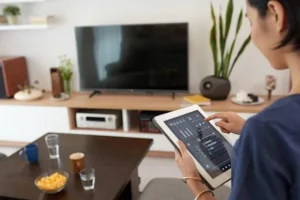
Raspberry Pi home automation is popular among tech enthusiasts.
It allows:
- Custom automation
- Low-cost setup
- Full control
However, home automation Raspberry Pi setups require technical skills and maintenance.
Think Long-Term
Your system should grow with your needs.
Plan for:
- More devices later
- New rooms
- Upgraded technology
A scalable system is key to successful home automation system installation.
Use Smart Home Automation Ideas That Work
Here are practical home automation ideas:
- Motion-based lighting
- Voice-controlled systems
- Smart irrigation
- Scheduled temperature control
- Security alerts
These ideas improve daily life and increase system value.
Avoid Common Mistakes
Many homeowners make these errors:
- Buying random devices
- Ignoring compatibility
- Skipping hub installation
- Poor Wi-Fi setup
- Not planning ahead
Avoiding these mistakes ensures your smart home installation works properly.
Home Automation Business Insight
If you are exploring a home automation business, understanding installation secrets is critical.
Successful businesses focus on:
- Full system integration
- Customer education
- Reliable installation
- Long-term support
This creates better results and repeat customers.
Best Home Automation System Features
The best home automation system should include:
- Central hub
- Smart lighting
- Security integration
- Climate control
- Mobile app control
- Easy expansion
These features ensure a complete smart home automation experience.
FAQs
What is smart home automation?
Smart home automation is a system that connects devices so they can be controlled remotely or automatically.
How do I start smart home installation?
Start by planning your needs, choosing a hub, and installing key systems like lighting and security.
What is the best home automation system?
The best system includes a smart home automation hub, supports multiple devices, and offers easy control.
Do I need a home automation installer?
Yes, a home automation installer ensures proper setup, integration, and long-term performance.
Can I automate lights on and off at home?
Yes, using smart switches, schedules, or motion sensors.
Is Raspberry Pi home automation good?
It is good for DIY users, but professional systems are more reliable for most homeowners.
What are home automation switches?
Home automation switches are smart switches that control lights and appliances remotely or automatically.
How much does home automation cost?
Costs depend on system size, features, and installation type.
Conclusion
A successful smart home installation is not about buying devices—it’s about building a complete system that works together smoothly.
By focusing on planning, network quality, automation, and proper installation, you can create a powerful home automation system that improves comfort, security, and efficiency.
Whether you choose DIY or professional setup, applying these secrets will help you avoid mistakes and build a smarter home that truly works.